



I polimeri sono costituiti da molecole molto grandi formate da numerose unità ripetitive chiamate monomeri, che insieme danno origine a una lunga catena polimerica.
Polymer
Auxiliaries & Additives
Il Biobased Polypropylene (Bio-PP)
Il Biobased Polypropylene (Bio-PP) è una versione sostenibile del tradizionale polipropilene, parzialmente derivata da materie prime rinnovabili come biomassa di origine vegetale (ad esempio etanolo da zucchero o residui agricoli). Offre proprietà tecniche equivalenti al PP convenzionale riducendo al contempo l’uso di risorse fossili.
Proprietà Chiave del Bio-PP
Caratteristiche Fisiche e Meccaniche
-
Elevata resistenza meccanica e rigidità per applicazioni strutturali.
-
Buona resistenza chimica e termica, adatta a molte condizioni operative.
-
Peso leggero e densità ridotta, facilitando risparmio di materiale e riduzione delle emissioni.
Comportamento di Lavorazione
-
Compatibile con le tecnologie di trasformazione standard (iniezione, estrusione, soffiaggio).
-
Ottima stabilità dimensionale nei processi produttivi ad alta velocità.
Vantaggi di Bio-PP per l’Industria
Sostenibilità Ambientale
-
Riduce la dipendenza da petrolio grazie all’uso di feedstock rinnovabile.
-
Favorisce il raggiungimento di obiettivi ESG e di economia circolare nei processi produttivi.
Prestazioni Industriali
-
Offre prestazioni paragonabili al PP convenzionale con robustezza e longevità.
-
Compatibile con sistemi di riciclo esistenti destinati al polipropilene.
Applicazioni Tipiche del Bio-PP
Packaging e Imballaggi
Il Bio-PP è ideale per imballaggi leggeri, robusti e riciclabili, usati in settori come alimentare, cosmetico e beni di consumo.
Componentistica Industriale
Utilizzato in parti tecniche per automotive, elettronica e beni durevoli, dove è richiesta resistenza e affidabilità.
Tessuti e Non-Woven
Può essere impiegato per la produzione di fibre non tessute in ambiti sanitari e industriali.
Perché Scegliere il Bio-PP
Competitività Tecnica
Bio-PP mantiene le performance meccaniche e termiche del PP tradizionale, pur integrando un profilo ambientale superiore.
Valore Commerciale
L’uso di materiali biobased può aumentare l’attrattività commerciale dei prodotti finiti, rispondendo alle richieste dei mercati orientati alla sostenibilità.
Considerazioni di Mercato
-
Disponibilità e costi possono variare in base alla regione e alla catena di fornitura.
-
Il Bio-PP è spesso adottato in applicazioni dove il bilancio tra sostenibilità e performance è un fattore competitivo.
Conclusione
Il Biobased Polypropylene (Bio-PP) rappresenta una soluzione avanzata per le aziende che desiderano integrare sostenibilità senza compromettere prestazioni tecniche e affidabilità.
Perfetto per applicazioni di packaging, componentistica industriale e tessuti tecnici, il Bio-PP è una scelta strategica per chi punta all’innovazione responsabile.
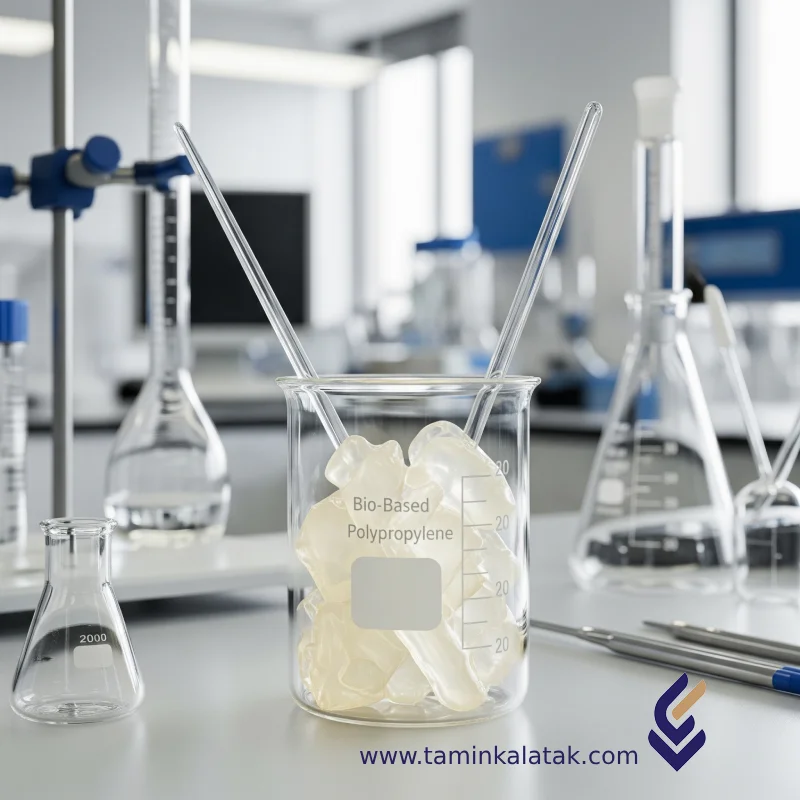
Bio-PP
| Products | Grid | Melt Flow Index (MFI) (g/10 min) | Density (g/mm³) | Process method | Applications |
|---|---|---|---|---|---|
| General Biobased Polypropylene | Bio-PP G100 | 10,00 | 905,00 | Plastic injection | Automotive parts, household appliances, packaging containers |
| Durable biobased polypropylene | Bio-PP R200 | 35,00 | 902,00 | Blow molding | Light bottles, cosmetic containers |
| Polypropylene Biobase Film | Bio-PP F300 | 4,00 | 9,00 | Filmmaking | Food packaging, agricultural films |
| Thermal biobased polypropylene | Bio-PP H400 | 20,00 | 91,00 | Extrusion and thermoforming | Microwave containers, heat-resistant packaging |
| Medical Biobase Polypropylene | Bio-PP M500 | 8,00 | 903,00 | Medical injection | Disposable medical equipment, pharmaceutical containers, sterile containers |


